


The evolution of gambling tracing the roots of games of chance through history

The evolution of gambling tracing the roots of games of chance through history
Ancient Origins of Gambling
The history of gambling can be traced back to ancient civilizations, where games of chance played a significant role in various cultures. Archaeological findings indicate that as early as 3000 BC, the Chinese were using rudimentary forms of dice made from animal bones. These primitive games were often linked to divination and fortune-telling, illustrating the deep-rooted connection between luck and spirituality in human society. If you’re interested, you canplay slots online as you explore these historical contexts further.

Similarly, ancient Egyptians engaged in gambling activities, as evidenced by inscriptions and artifacts found in tombs. The Egyptian game of Senet, believed to date back to 3100 BC, is often considered one of the earliest board games that involved a component of chance. Such historical evidence reveals that gambling has always been intertwined with social rituals and entertainment across various cultures.
The Role of Gambling in Ancient Rome and Greece
In ancient Rome and Greece, gambling was not only a form of entertainment but also a significant aspect of social life. Romans would gamble on gladiator games and chariot races, while Greeks indulged in betting during athletic competitions such as the Olympic Games. These activities were heavily regulated, with specific laws governing the conduct of gambling, indicating its importance within societal norms.
The Romans even introduced gambling through dice games, which became immensely popular among all social classes. This widespread acceptance of gambling in ancient Rome laid the groundwork for the development of more structured games of chance, which would evolve over the centuries into what we recognize today as modern gambling.
The Medieval Period and the Rise of Card Games
During the medieval period, gambling took on new forms with the advent of playing cards. Originating in China, card games spread to Europe by the 14th century. These games not only provided entertainment but also became a means of social interaction among the nobility and the emerging bourgeois class. The introduction of cards marked a significant evolution in gambling, moving from physical games like dice and board games to more strategic forms of play.
As card games gained popularity, various gambling houses began to emerge across Europe, particularly in Italy and France. The establishment of these early casinos played a crucial role in formalizing gambling practices, leading to the structured games we see today. The blend of chance, skill, and strategy in card games helped solidify their place in gambling history.
The Emergence of Modern Casinos
The 17th and 18th centuries saw the birth of modern casinos, especially in Europe. The first official casino, the Casino di Venezia, opened in Italy in 1638, setting the standard for future establishments. These casinos provided a controlled environment for gambling, complete with various games of chance and entertainment options. This evolution allowed gambling to become more accessible to the general public.
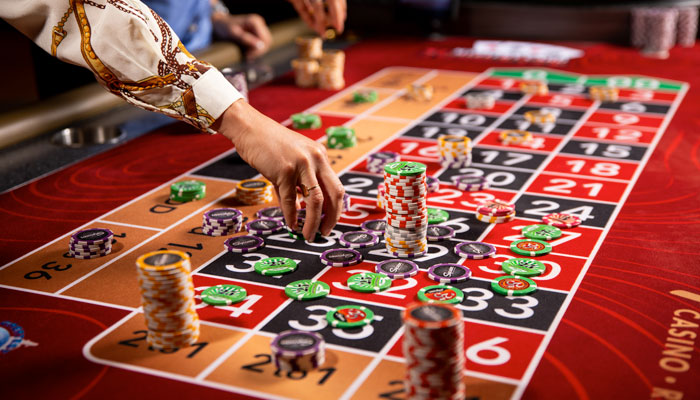
In the 19th century, gambling took another leap forward with the establishment of iconic casinos such as those in Monte Carlo. These luxurious venues not only attracted the wealthy elite but also popularized games like roulette and baccarat, which became synonymous with high-stakes gambling. The rise of these modern casinos transformed gambling into a significant industry, reshaping leisure activities worldwide.
Gaming Communities and the Future of Gambling
Today, gambling has evolved into a multifaceted industry that encompasses both traditional casinos and online platforms. The emergence of digital technology has revolutionized the way people engage with games of chance. Online casinos provide a convenient and diverse range of games, allowing players from around the globe to participate in gambling activities at any time.
As gambling continues to grow, platforms dedicated to gaming enthusiasts, like Videogamer.com, play a crucial role in fostering community engagement and providing up-to-date information. These websites not only keep players informed about the latest trends and strategies but also create spaces for discussions, tips, and connections among fellow gamers. The future of gambling promises further advancements, blending technology with tradition to enhance the gaming experience.